

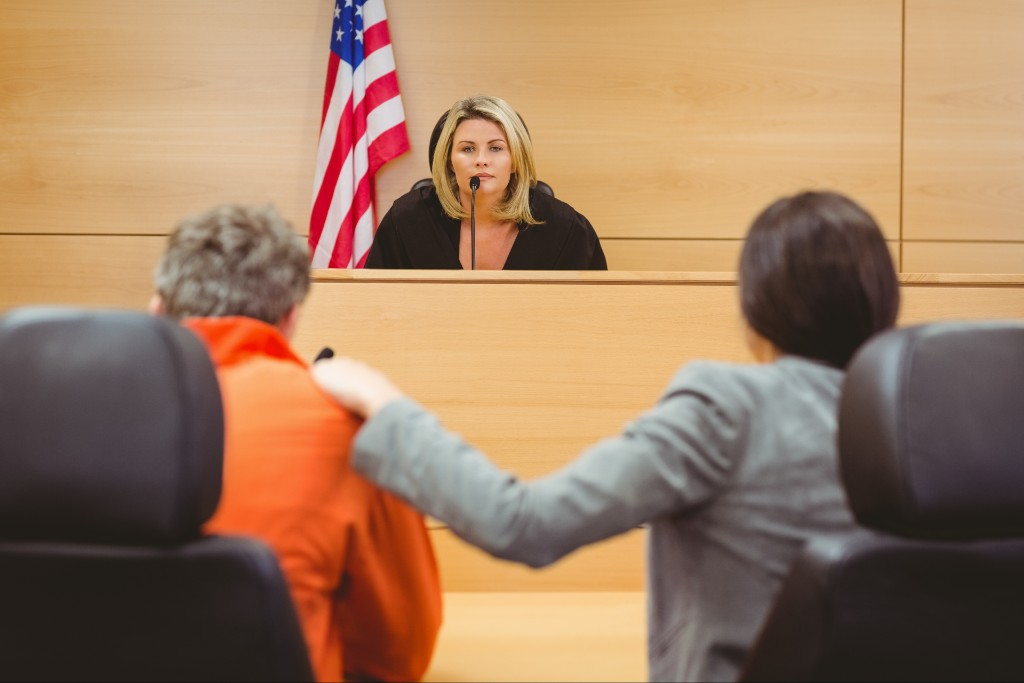
What Is an Arraignment? What to Expect and How to Prepare
Written on June 3, 2026. Posted In Blog
The first court date after an arrest can feel confusing, especially when paperwork uses words like “arraignment” without explaining them. An arraignment is the first formal court appearance after charges are filed. The judge tells the person what they are charged with, explains key rights, and asks for a plea. Knowing what the day looks like and what choices may come up makes it easier to prepare and to support a loved one.
What Is An Arraignment In Plain Language?
An arraignment is the first official meeting between the person charged (the defendant), the judge, and the prosecutor. It is not a trial. No jury is present, and the judge is not deciding guilt or innocence.
A few short points capture the heart of an arraignment:
- The court officially reads or summarizes the charges
- The judge explains the defendant’s rights, including the right to an attorney
- The defendant enters a plea, usually guilty, not guilty, or no contest
- The judge may address bond and set the next court date
In Georgia, arraignment rules are set out in state law, including O.C.G.A. § 17-7-91, which covers the date of arraignment, notice, and how the plea is received.
When Does An Arraignment Happen?
The timing depends on whether the person is in custody and on the local court’s schedule. Two patterns are common.
- For someone held in jail after an arrest, the first court appearance often happens within 48 to 72 hours
- For someone released or charged later by accusation or indictment, arraignment may be scheduled days or weeks out
A first appearance focused on bond and rights is sometimes separate from a formal arraignment, especially in felony cases. A defense attorney can confirm which hearing is which on the court calendar.
What The Judge Does At Arraignment
The judge runs the hearing and walks through several steps in a fairly predictable order. Even when courts move quickly, these steps usually appear.
- Confirms the defendant’s identity and presence
- States the charges in the indictment or accusation
- Explains constitutional rights, such as the right to a lawyer and the right to remain silent
- Asks how the defendant pleads
- Addresses bond if it has not already been set, or reviews bond conditions
- Sets future court dates, such as a pretrial conference or a trial date
The hearing is short in most cases. Even so, decisions made here, such as the plea entered, can shape the rest of the case.
Read: Different Types of Warrants Explained
What Are The Plea Options And What Do They Mean?
Three plea options come up most often. Each one has a different meaning for what happens next.
- Not guilty: The most common plea at arraignment. It tells the court the case will be contested and prepares the case for the next hearings
- Guilty: An admission to the charge. The judge can move to sentencing, sometimes the same day, depending on the case
- No contest (nolo contendere): The defendant does not admit guilt but accepts the conviction and any penalty. Whether this option is available depends on the charge and the court
Defense attorneys generally encourage families not to assume that any one plea is the right call. The plea decision is best made after talking with a lawyer about the evidence and the options.
How To Prepare For An Arraignment
A little preparation makes the day calmer for everyone. Most of it is practical.
- Confirm the date, time, and courtroom on the official notice or with the clerk’s office
- Plan to arrive early, allowing time for parking, security, and finding the courtroom
- Dress neatly and conservatively, as if for a serious office meeting
- Avoid bringing items not allowed in the courthouse, such as pocket knives or large bags
- Speak with a defense attorney before the hearing, when possible, to know what plea to enter
- If a loved one is in custody, gather their full legal name, date of birth, and case number for easier check-ins
Family members are often allowed to attend as observers. Sitting quietly and staying off phones helps the day go smoothly.
What If The Defendant Is Still In Custody?
When the defendant is still held in jail, the arraignment may be combined with the first appearance for bond. The judge may use this time to set conditions for release, including a bond amount.
- A surety bond from a bail bond company is one option when bail is allowed
- The judge may also consider release on recognizance for certain low-risk cases
- Conditions, such as no-contact orders or check-ins, can be added at this hearing
If a bond is set, a licensed bail bondsman can help post it and explain the next steps for release.
Arraignment FAQ
Is an arraignment the same as a bond hearing?
Not always. Some courts combine them, while others handle them as separate hearings. A defense attorney can confirm which hearing is on the calendar.
Can I plead at the arraignment without an attorney?
Technically yes, but it is rarely a good idea. The court will explain the right to a lawyer, and many defendants enter “not guilty” at arraignment to keep options open while they secure counsel.
Do I have to attend my loved one’s arraignment?
You are not required to attend. Many families do attend to show support, learn case details, and hear the judge’s instructions firsthand.
What happens after the arraignment?
The case usually moves to pretrial steps, such as discovery, motions, and possible plea negotiations. Trial is set for later if the case does not resolve.
Get Calm Bail Support With Free At Last Bail Bonds
An arraignment is a short hearing with long-term effects, especially when bond conditions and the next court dates are decided. Knowing what the day looks like and how the plea options work makes it easier to plan with a clear head.
At Free At Last Bail Bonds, we help families across DeKalb, Douglas, Fulton, Cobb, and Clayton counties handle the bail process with calm, direct support. We are available 24/7 to explain what the jail will accept, walk you through the bond paperwork, and keep you updated as the situation moves forward.
Contact us for clear answers and a plan for your next steps, or call (404) 577-2245.

