
What Is a Cash-Only Bond and Why Do Judges Order It?
Written on December 22, 2025. Posted In Blog, Bond
A cash-only bond is a specific type of bail that requires the full amount to be paid directly to the court. Judges order this type of bond in certain situations based on the details of the case and the person involved. Understanding how a cash-only bond works and why it may be required can help you evaluate your options and move forward with clearer expectations.
What Is a Cash-Only Bond and How Does It Work
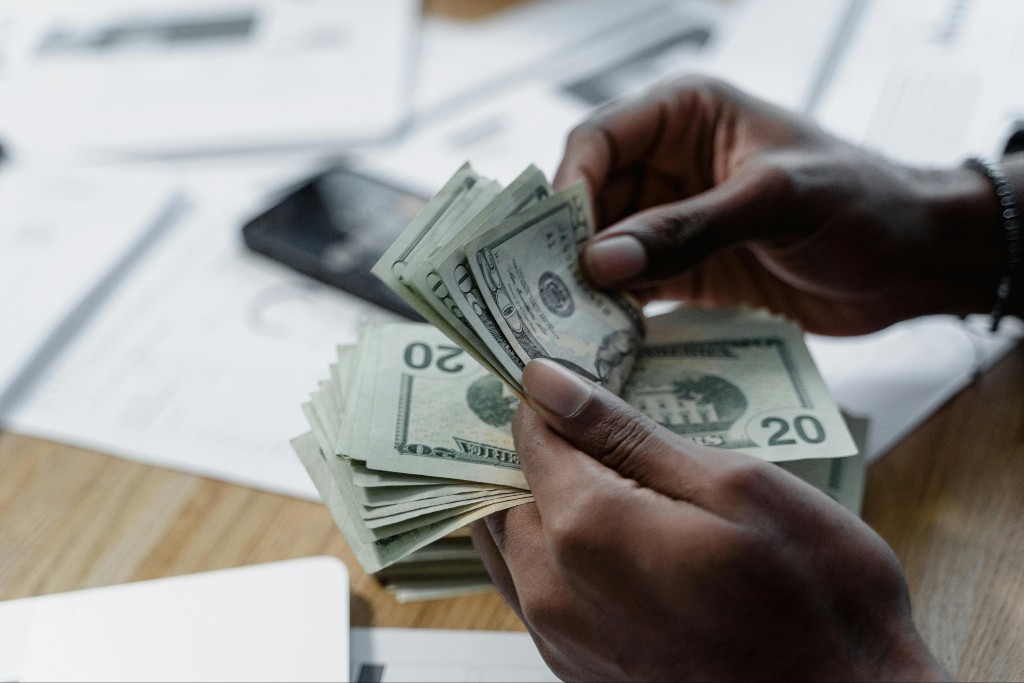
A cash-only bond means the court requires the full bail amount to be paid upfront in cash or another approved form. This removes the option of using a bail bond agent or a surety arrangement. The payment can come from the defendant or from someone who wants to help, such as a family member or friend.
Courts usually accept cash, cashier’s checks, money orders, or, in some locations, a debit or credit card. Once the bond is posted, the court holds the funds until the case concludes. If the person attends all hearings and complies with the court’s conditions, the money is returned to whoever paid it.
What’s the Difference Between Cash-Only Bond vs. Other Bail Options?
A cash-only bond requires payment of the full amount upfront, which distinguishes it from other release methods. The options below explain how families might see clearer paths in situations where other forms of bail are available.
- Surety Bond: A surety bond involves working with a bail bonds company. The family pays a percentage of the total bail, which can vary depending on the charge, court conditions, and the bail bond company’s level of risk. The company then assures the court that the full amount will be covered.
- Property Bond: A property bond uses real estate to secure release. The property must meet certain value requirements, and the court reviews documents that confirm legal ownership. This option may take longer due to the paperwork involved.
- Release on Recognizance: With release on recognizance, the court allows the person to leave custody without paying money. This option is generally available when the court believes the individual will return for all hearings. It depends heavily on case details and the person’s history.
While a cash-only bond can place more financial pressure on families, its structure is direct. The full amount is paid, held during the case, and returned when all conditions are met.
Why Judges Order a Cash-Only Bond? Factors that Influence Their Decision
Courts choose a cash-only bond when they feel stronger conditions are needed to support court attendance. Several factors can influence this decision, and each one gives the judge a clearer picture of the level of assurance required.
History of Missed Court Dates
If someone has missed hearings before, a judge may decide that a cash-only bond is necessary. Prior failures to appear, unresolved warrants, or unpaid fines can signal the need for closer oversight.
Serious or Repeated Charges
More serious charges or a pattern of past offenses can lead the court to require cash instead of allowing a surety or another release option. Judges review the case details carefully when deciding whether stricter conditions are appropriate.
Motivation to Follow Court Requirements
A cash-only bond can create a stronger incentive for the person and their family to stay on track with hearings and conditions. When the full amount is paid directly to the court, families tend to take extra care to protect those funds.
Coverage for Possible Fines or Fees
In some cases, judges select a cash-only bond so the court can apply funds toward fines, fees, or other costs if the case ends in certain outcomes. This allows the court to resolve those obligations more efficiently.
What Happens After You Post a Cash-Only Bond
After the full bond amount is paid, the person is released from custody while the case continues. They must attend all court hearings, meet with their attorney, and follow any rules set by the court. The court keeps the bond money until the case is finished.
If all court requirements are met, the bond is usually returned at the end of the case to the person who paid it. Keeping the receipt and making sure the payer information is correct helps avoid delays. If a hearing is missed or court rules are not followed, the court may keep the bond and issue a warrant.
When the case ends, the court may subtract fines, fees, or other costs before returning the remaining balance. Refunds are not immediate, so some waiting time is normal.
Read: Do You Get Your Bail Money Back? Here’s What to Know
Tips for Navigating Cash-Only Bonds: Practical Advice for Families
A cash-only bond can bring immediate pressure on a family, especially when covering the full amount is difficult. Once the court holds the money, everyday expenses may feel tighter, and a bondsman is usually not an option. The guidance below offers practical steps to help you move through this situation with more clarity.
-
Gather Complete Information From the Court
Contact the court to confirm the exact bail amount, accepted payment methods, refund steps, and expected timelines. Clear details help you plan without unnecessary stress.
-
Review Financial Options With Care
If covering the full amount is difficult, consider reaching out to relatives or trusted friends. Community support, short-term loans, or other resources may help, but it is important to choose options that will not create long-term strain.
-
Keep All Payment Documentation Safe
Save the bond receipt and any proof of payment. The refund will go to the person who posted the bond, and having proper records helps prevent delays later.
-
Track All Court Dates
Mark every hearing on a calendar and set reminders. Missing a court date can lead to losing the entire bond, so staying organized is important.
-
Prepare for the Impact on Household Finances
Plan for how holding the cash with the court may affect your budget. Refunds can take time, and delays may happen if the court has a backlog. Creating a short-term plan for expenses can help reduce stress.
-
Acknowledge the Emotional Pressure
It is natural to feel rushed or unsure when facing a cash-only bond. Taking a moment to pause, gather information, and think through decisions can help you make steadier choices.
-
Consult a Legal Professional When Possible
If you have concerns or believe circumstances may change, an attorney can explain your options and may request a review of the bond. Legal guidance can offer reassurance during uncertain moments.
How Free At Last Bail Bonds Can Help
Understanding a cash-only bond gives you clarity, but knowing where to turn for guidance matters just as much. When bail requirements are unclear or restrictive, having an experienced professional to walk you through the process can make a real difference.
Free At Last Bail Bonds supports families by explaining bail requirements, reviewing case details, and helping you understand whether a bail bond may be an option in your situation. While cash-only bonds must be paid directly to the court, we provide bail bond services when permitted and offer straightforward guidance so you can make informed decisions without added stress.
If you have questions about bail or need help exploring your options, contact Free At Last Bail Bonds to speak with a knowledgeable professional today.
