

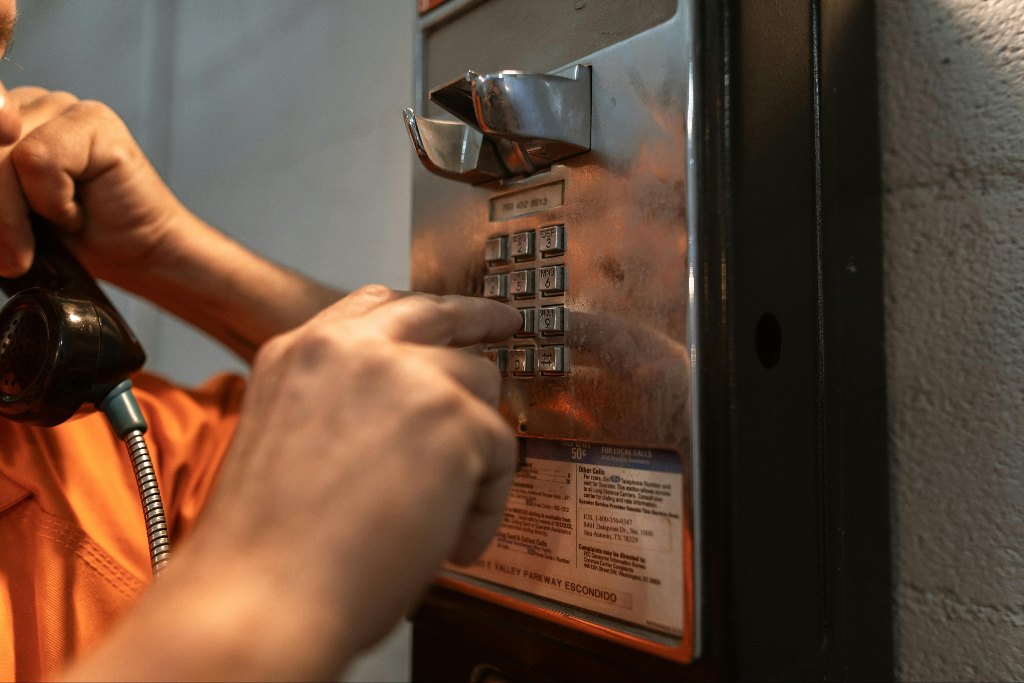
10 Things to ALWAYS Avoid Saying to Someone in Jail
Written on March 9, 2026. Posted In Blog, Jail
When you get a call from jail, it can feel urgent and leave you unsure what to say first. Because calls and other communication may be monitored, the wrong wording can create avoidable issues. Knowing the things not to say to someone in jail can help you stay focused on the next steps and support them with a steadier, more confident approach, especially during the first few conversations.
Why The Things Not To Say To Someone In Jail Matter
When someone is in custody, a lot of communication happens fast and under stress. The problem is that jail calls and messages can be recorded or reviewed, and statements that feel harmless in the moment can be pulled out of context later. Keeping your wording simple helps reduce that risk and keeps the focus where it needs to be.
Another issue is court restrictions. Some cases come with a no-contact order or other release conditions that limit whom the person can speak with and what types of contact are allowed. Even an accidental comment about reaching out to someone can create complications, so it helps to stay focused on safe, practical topics until an attorney confirms what applies.
What To Know Before You Contact Someone In Jail
A quick plan can make the first call feel more manageable. These basics help you keep the conversation supportive while staying focused on the next steps:
- Assume The Call Is Recorded: Speak as if the call could be reviewed later, even if you did not hear a warning at the start.
- Keep The Call Focused On Safety: Start with a quick check on how they are doing and whether they need medical help or any immediate support inside the facility.
- Stick to Release and Booking Details: Confirm their full name and date of birth, the jail location, the booking number (if available), the bond amount, and any court dates listed.
- Do Not Talk About The Case: If they start describing what happened, steer the conversation back to practical next steps and save case details for the attorney.
- Use The Right Source For Process Questions: For questions about release steps, jail requirements, and timing, contact a bail bond office instead of trying to sort it out during a call.
10 Things Not To Say To Someone In Jail
It is normal to want to reassure someone right away. Keeping your words simple helps you avoid problems and keeps the focus on what needs to happen next.
1. Details About What Happened
Avoid replaying the timeline, filling in gaps, or walking through what led up to the arrest. Even casual details can be misunderstood or repeated out of context. Keep the focus on the next steps, and save any case details for their attorney.
2. Any Admission Or Half Admission
Avoid statements that sound like taking the blame, even if you mean it emotionally rather than legally. Phrases like “I messed up” or “it was my fault” can be taken at face value later. Keep it simple and steer the call away from fault and facts.
3. Names Of Witnesses Or Other People Involved
Avoid naming friends, coworkers, alleged victims, or anyone tied to the situation. Names can pull the call into blame, contact issues, or talk that does not help release. A clean boundary helps here, such as saying, “I won’t talk about other people on this line.”
4. Anything About Evidence Or What The Police Have
Avoid guessing about videos, texts, locations, or what officers may have seen or collected. Guessing can create confusion and turn into a back-and-forth about the case. It’s recommended to keep evidence questions off the call and leave that for the attorney.
5. Plans To Contact Someone The Court May Restrict
Avoid talking about reaching out to someone, passing messages through a third person, or trying to explain things to someone involved. If a no-contact order or other condition applies, even indirect contact can create new problems. Focus on following the conditions and keeping communication within what is allowed.
6. Complaints About The Judge, Prosecutor, Or Police
Avoid venting about the judge, prosecutor, or law enforcement. It can take the call off track and raise the temperature without helping the situation. When your loved one in jail needs to vent, keep your response steady and bring it back to release steps and court dates.
7. Anything About Getting Rid Of Messages Or Proof
Avoid comments about deleting messages, wiping phones, clearing accounts, or throwing things away. Even casual talk like that can lead to serious complications. If that topic comes up, pause the conversation and keep the focus on letting the attorney advise on what to do.
8. Arguments About Money, Blame, or Relationship Drama
Avoid using the call to argue about money, responsibility, or relationship issues. It increases stress and wastes limited time with your loved one in jail. Keep the call practical and address emotional topics later, when they are in a better position to discuss them.
9. Promises You Cannot Control
Avoid promising an exact release time or outcome. Timing can change because of holds, paperwork, or court scheduling, even when everything is moving. Keep expectations realistic, and say things like: “I’m working on the process, and I’ll keep you updated as we get confirmed information.”
10. Anything That Sounds Like Coaching a Story
Avoid telling them what to say, how to explain things, or what version sounds better. That can create new questions and pull the call into case talk. Keep the case discussion between them and their attorney.
What Not To Say In Texts, Emails, Visits, Or Messages To Someone In Jail
What you say outside a phone call can still matter. Many facilities have rules that allow monitoring or review of messages, mail, and visits, and written communication can be easy to misread later because it has no tone or context. Keeping these channels clean helps avoid misunderstandings, reduces the chance of accidental violations, and keeps the focus on release and court requirements.
- Avoid sharing screenshots, photos, call summaries, or copies of paperwork through messaging apps.
- Avoid posting about the arrest or the case on social media, then referencing it in messages or visits.
- Avoid writing about other people’s reactions, what someone “heard,” or what a third person “said happened.”
- Avoid asking them to send account passwords, unlock codes, or to grant access to their phones or apps.
- Avoid discussing money transfers in detail, bank names, cash pickup plans, or who has what in their possession.
- Avoid arguing about parenting decisions, housing, or property issues in writing. Save those for calmer, private conversations later.
- Avoid telling them to contact someone for you or to pass a message to another person inside the facility.
Read: Encouraging Words To Say To Someone In Jail
Get Steady Bail Support With Free At Last Bail Bonds
Keeping communication clean can help protect the case and keep the focus on release steps. Staying away from case details, avoiding contact issues, and using calm, practical questions help you support your loved one as the situation moves through the system.
At Free At Last Bail Bonds, we help families start the bail bond process with clear expectations and steady updates. We know these situations move fast, and we are ready to explain what the jail is asking for, what information matters, and what your next steps look like. If you are trying to support someone in jail and want help moving the release process forward, we’re ready to help you review your next steps, day or night.
Contact us for clear bail support. Call 404 577 2245 for immediate assistance.
